
While many have written about the difficulties of taking care of tiny humans whilst being a creative practitioner; there are often words like ‘balance’ and ‘focus’ and ‘time management’ that provide hope and an illusion of simplicity. While I cannot provide advice on how to avoid creative burnout or better time management or balance childcare with deadlines, I can instead offer observations, interruptions, anecdotes and musings from my recent experience and other artist-parents alike.
The Art World Is Not Built for Parents or Children
Let’s begin with some sobering realities.
Physical Barriers: Strollers, Stairs, and Missing Change Tables
After becoming a parent, it became increasingly clear that there are physical and intangible systemic barriers in place that exclude segments of the population that deviate from standard. For instance, galleries and institutions create spaces with a lack of accessibility ramps and larger doors prohibit strollers, change tables in washrooms or even seating for nursing or elderly or disabled individuals. These few physical barriers can be easily fixed with a small investment in structural changes, added seating and privacy.
The Invisible Barriers: Openings, Residencies, and the “Distraction” Myth
While the physical barrier could be easily overcome by investing in new infrastructure, it is the intangible aspects of art practice and community that are trickier to change. Exhibition openings, panel discussions, and artist talks usually occur Thursday or Friday evenings from 6–9PM creating a party-like environment that feels impossible (at the very least, quite challenging) to bring a baby or children to.
In a brilliant panel discussion at Art Basel titled “Between Production and Reproduction” (2019), Coco Fusco deftly pointed out the art world would rather tolerate a drunk artist at an art opening than a child or baby. (Even though Fusco thinks a drunk artist is perhaps more difficult to deal with than a screaming child.) Fusco goes on to pointedly reveal the art world’s hypocritical tendencies as it prides itself on being liberal, educated, and transgressive while also paradoxically enforces rigid standards against children or the “production” of life.
Even trying to go on an artist residency to invigorate your art practice in a new country or place leads to even more prejudice and barriers. MOTHRA quite pointedly makes evident how artist residencies also preclude artists from bringing their dependents, partners, or children with them; as if they are a burden or a distraction from art production. In “MOTHRA: Artist-parent Project Labour and Love,” Sarah Cullen writes:
“If you want confirmation that 20th-century modes of patriarchal artistic professionalism are still in action right now, all you have to do is ask artist residency providers if you can apply and attend with your child(ren). While some will say ‘yes,’ others offer hilarious and infuriating responses. An artist residency provider on Canada’s east coast described how including children ‘…defeats the whole purpose of taking an artist out of their daily routine and providing them with an opportunity to concentrate on their practice in a community of their peers.’ Another in Ontario stated the importance of the artist being taken away from the distractions of everyday life. The children of artists are not allowed at either residency. At the suggestion that this is a discriminatory practice and one that bars participation from a large section of Canada’s practicing artists, they went quiet.”
When Art-Making Collides With Care Work
For many, art-making can come into conflict with care work. We are told, and conditioned to believe, that art and motherhood are not compatible, and parenthood as subject matter for artwork is discouraged or seen as “icky.”
I have heard anecdotes from other artists about their own experiences with misogyny and backlash for having children that have real repercussions on their careers. For instance, a gallerist would not continue working with an artist despite a successful first exhibition because “she had just gotten pregnant” and thus her ‘cash cow’ wouldn’t have the time to produce work at the same rate anymore. While there are real legal protections for maternity leave and prejudiced opinions in other working environments like tech, medicine, finance, etc, there are none for artists working at the mercy and biases of others.
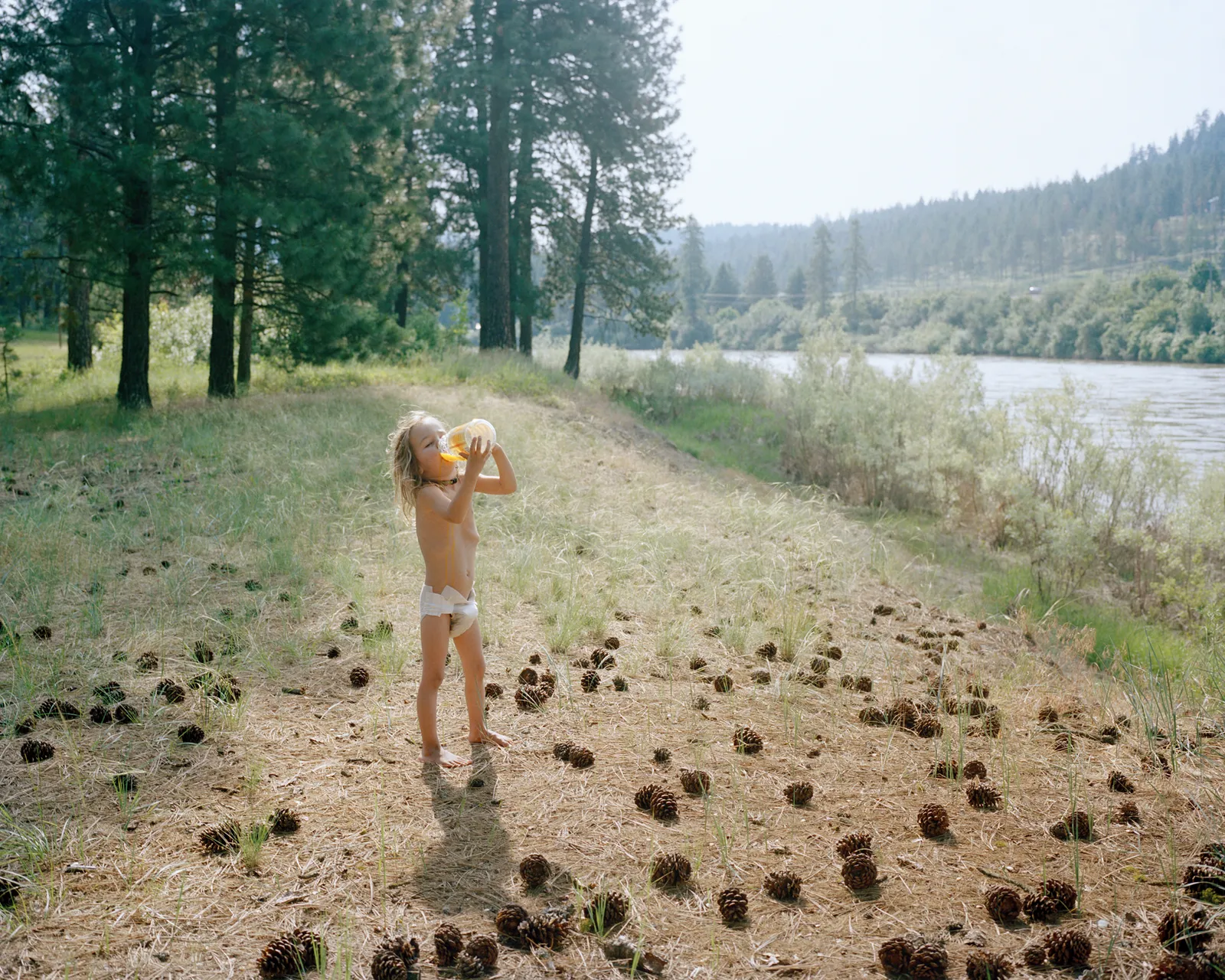
Emblematic of the unpaid and unappreciated labour involved in mothering and art practice is an anecdote from one of my professors from grad school, Justine Kurland. She talks about the road trips she would take with her son Caspar across the USA to photograph trains, highways and car culture. During the summers, they lived and camped in the wilderness while she photographed the landscape and parented by herself.
Justine notes the frustration of motherhood being at odds with art practice:
“Trapped together alone for months on end while struggling with him to let me make work. […] I remember yelling at him once in total frustration, ‘Jeff Wall doesn’t have to make peanut butter and jelly sandwiches in the middle of his photo shoots.’ He at age four replied, ‘Oh yeah, what else does Jeff Wall not have to do?’”
Justine Kurland
Increased Empathy and the Capacity for Conflicting Truths
Besides some of the disheartening realities of labour inequalities and artworld hypocrisies discussed above; when it comes to motherhood and care work, there are also magical and elusive forces at work. Let’s examine the miraculous, strange and generative intensity that parenthood often brings unexpectedly.
Holding Exhaustion and Wonder at Once
The postpartum and early parenthood period comes with the realization that opposite truths can be held and expressed simultaneously. There is exhaustion from sleep deprivation but also a cracking open of your heart, mind, and soul that feels expansive.
There is also enormous resentment and anger for the loss of your previous self which contrasts the ecstasy and joy of hearing a tiny person’s first laugh or watching a baby learn to walk. The tenderness, suffocation, laughter, and isolation change you as a person and as an artist. I have found that my capacity for containing conflicting truths has increased, learning to understand that lingering in the complexity of a moment is much harder than grasping some simple and digestible truths.
Seeing With Fresh Eyes: Kat Shannon on Attention
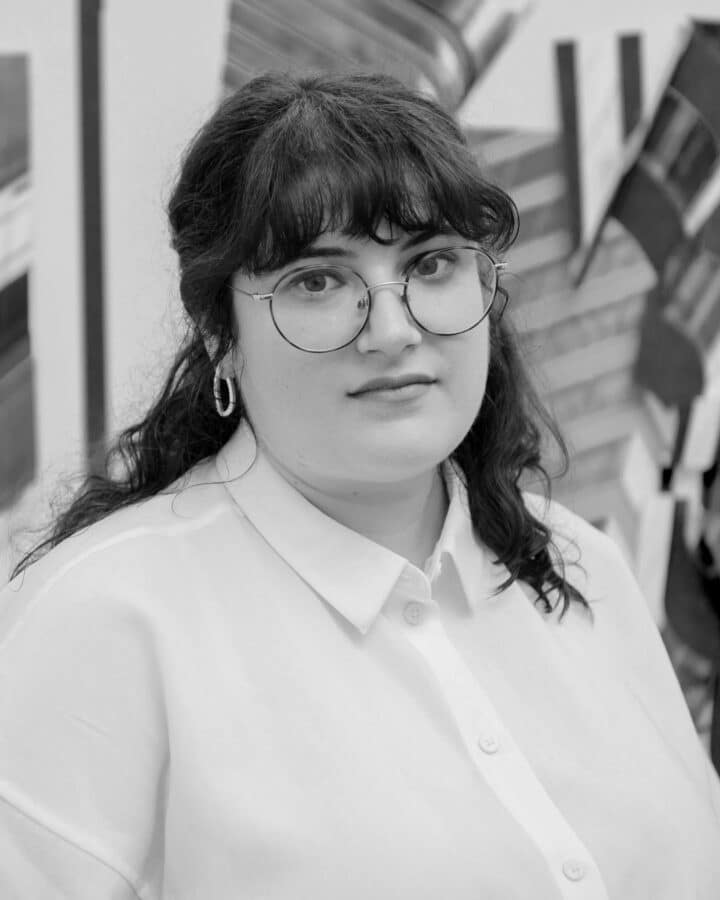
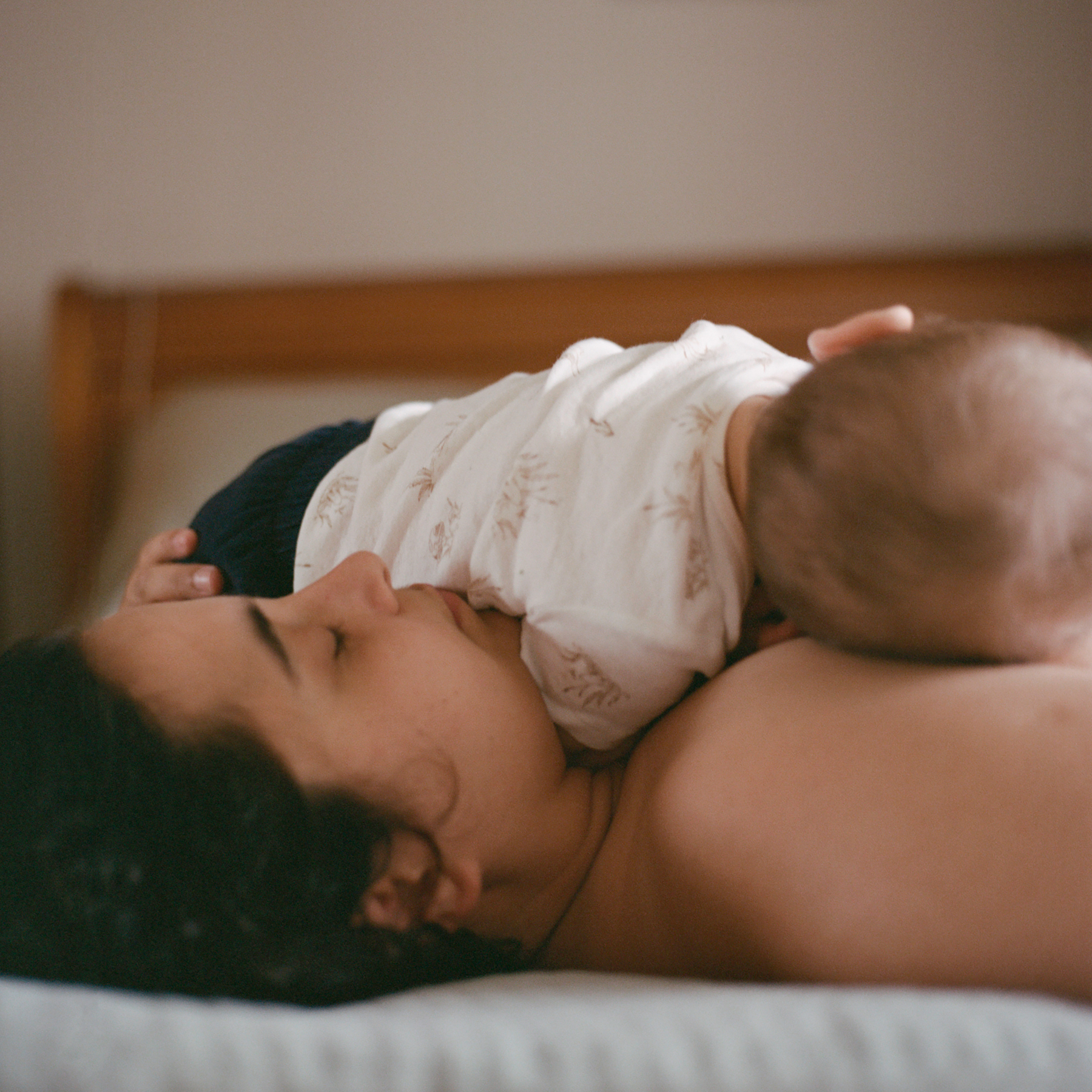
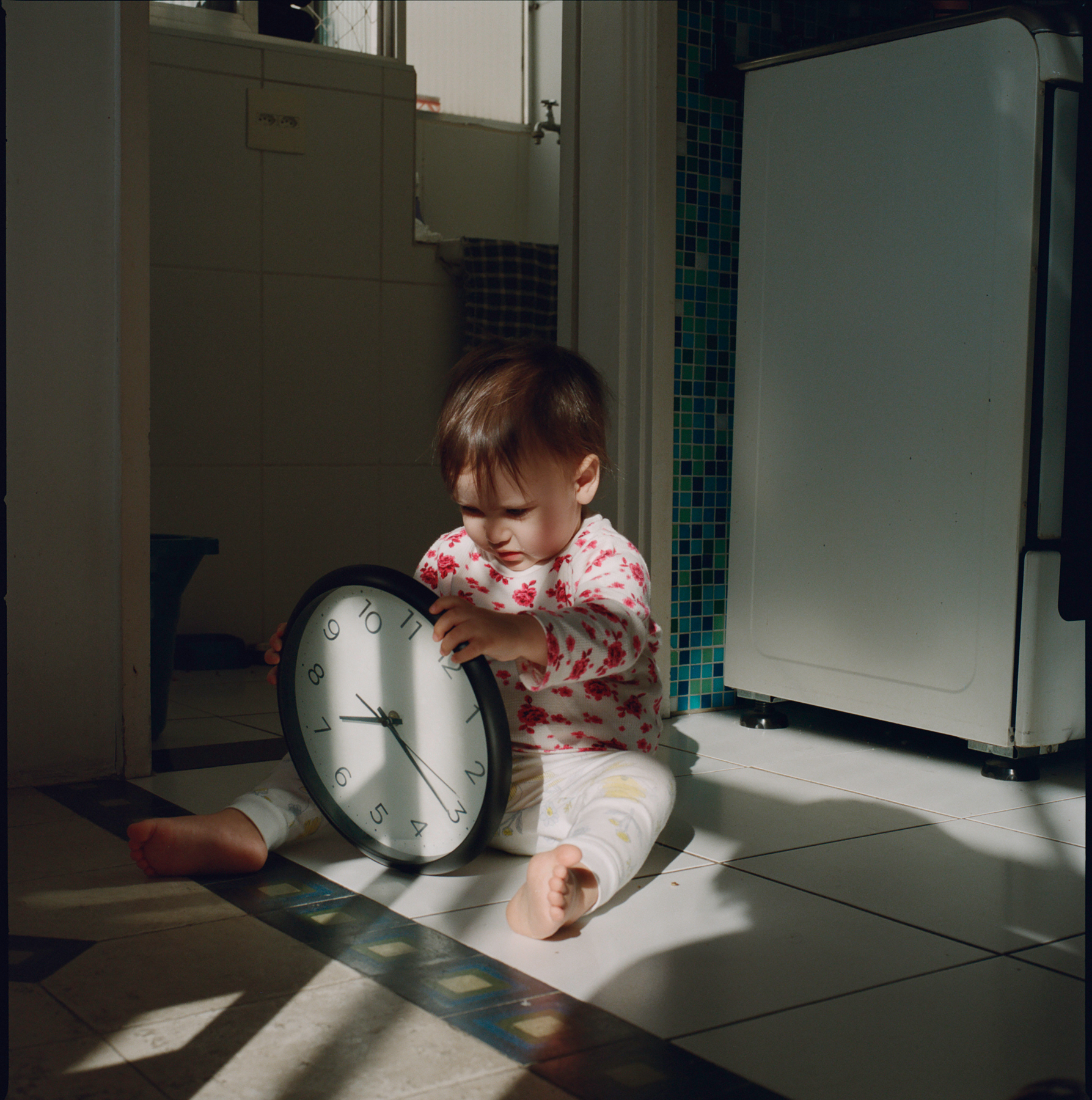
I have asked other artists to share how parenthood has changed their perspectives as creatives. Photographer and educator Kat Shannon describes some of the radical shifts in her practice:
"Being a parent has opened me up creatively in unexpected and really wonderful ways. One significant change to my art practice after parenthood is the shift in my attention. To watch and occasionally guide another person’s interactions with and understanding of the world allows you the unique opportunity to gaze at all things with fresh eyes too. When I explain to my three year old how to cut an apple or why a seed becomes a tree, I am able to re-engage with these experiences anew myself. As an artist who is interested in deep looking and observation, suddenly everything has become fair game to be curious about. The lines between the banal and the beautiful become interchangeable and blurry.”
Artists Who Led the Way: Nona Faustine, Ruth Asawa, Rinko Kawauchi
It is heartening to see other artists who have successfully balanced their career and motherhood; I look to examples from the recent past like Nona Faustine, Ruth Asawao Rinko Kawauchi.
Nona was an incredible artist and visionary who I had the privilege of knowing briefly as I was entering graduate studies at ICP-Bard College while she was graduating. During my MFA interview, I was invited to preview Nona’s thesis exhibition and was mesmerized by the powerful self-portraits she displayed in her exhibition. The strength, determination and love imbued in all of her work turned me silent and I walked away from that experience knowing that I wanted to be part of a program and place that had voices like Faustine’s in it.
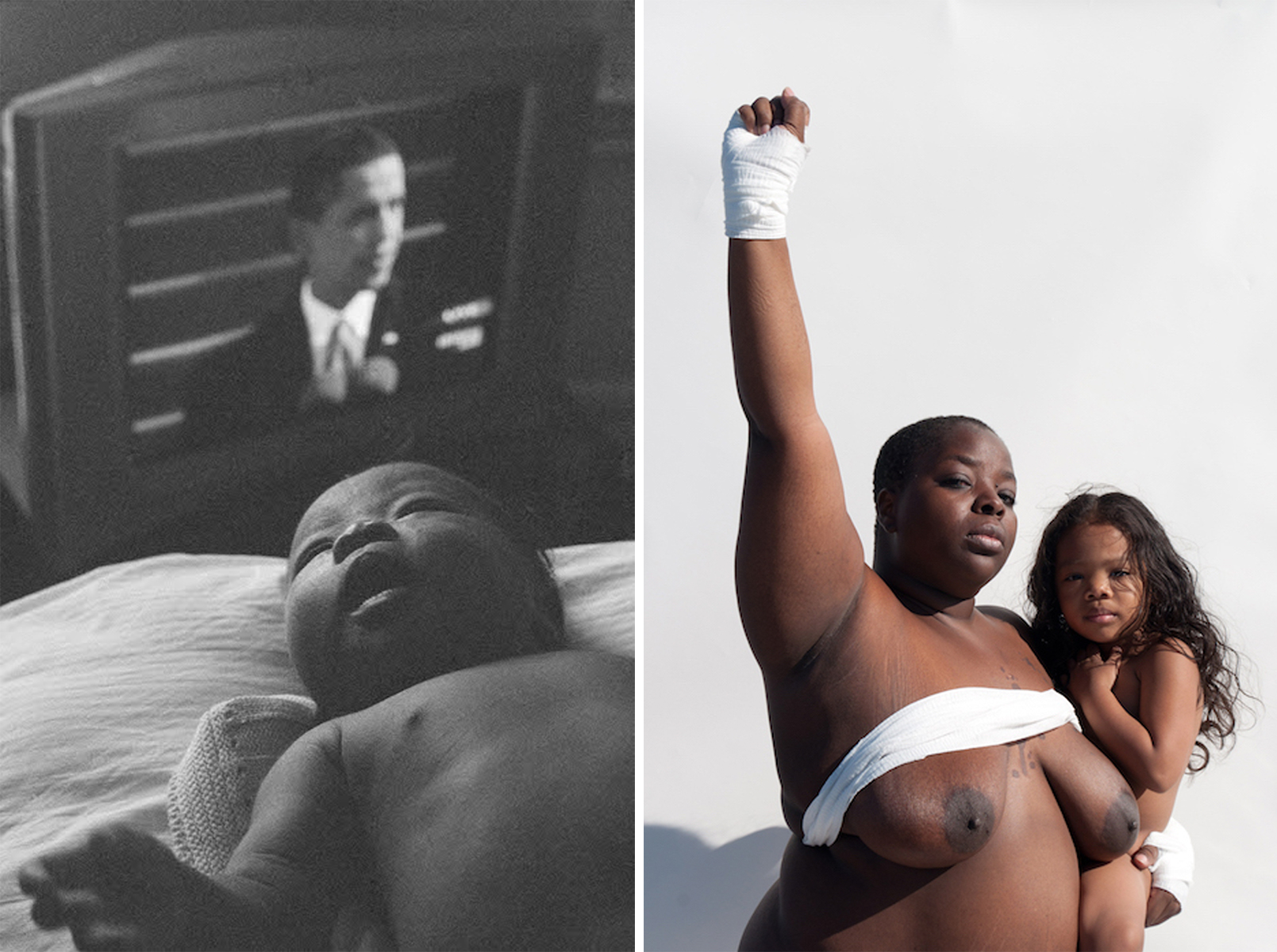
She talked about the challenges, impossibilities, and a hopeful future to come. In her text “Intersectionality in the Studio,” she wrote, “When President Obama first took office in 2008, the dreams that we shared as a nation were dreams that I had for my newborn baby. I placed her on the bed near our analog television as Obama was sworn in at his Inauguration. I held my Nikon F camera loaded with black and white film, composed the picture, and clicked the shutter for posterity and for hope. In 2012 we still had a Black President in the White House; however, the slights, insults, micro-aggressions and full aggressions were increasing. The horrific events I was observing and absorbing around me weren’t being discussed in my graduate program. The deaths of black men and women due to police brutality were racking up and only just beginning to gain attention in the media.”
What Parenthood Sounds Like
All in all, parenting and art practice is a site of contradiction; full of interruptions, joy, systemic obstacles, societal devaluation of maternal and domestic labour—but also an expansive thought process and material exploration. And while a number of the above photographers have shown images of motherhood that illustrate this exact ambivalence, I linger on artist Kat Shannon’s words to describe what parenthood sounds like.
“Motherhood sounds like an open window in a crowded city street to which you are inside meticulously hearing every single noise with astounding clarity, and simultaneously hearing none of it at all.”
Kat Shannon
Show up as the artist you are. Pruebe Format gratis and give your work the presentation it deserves.
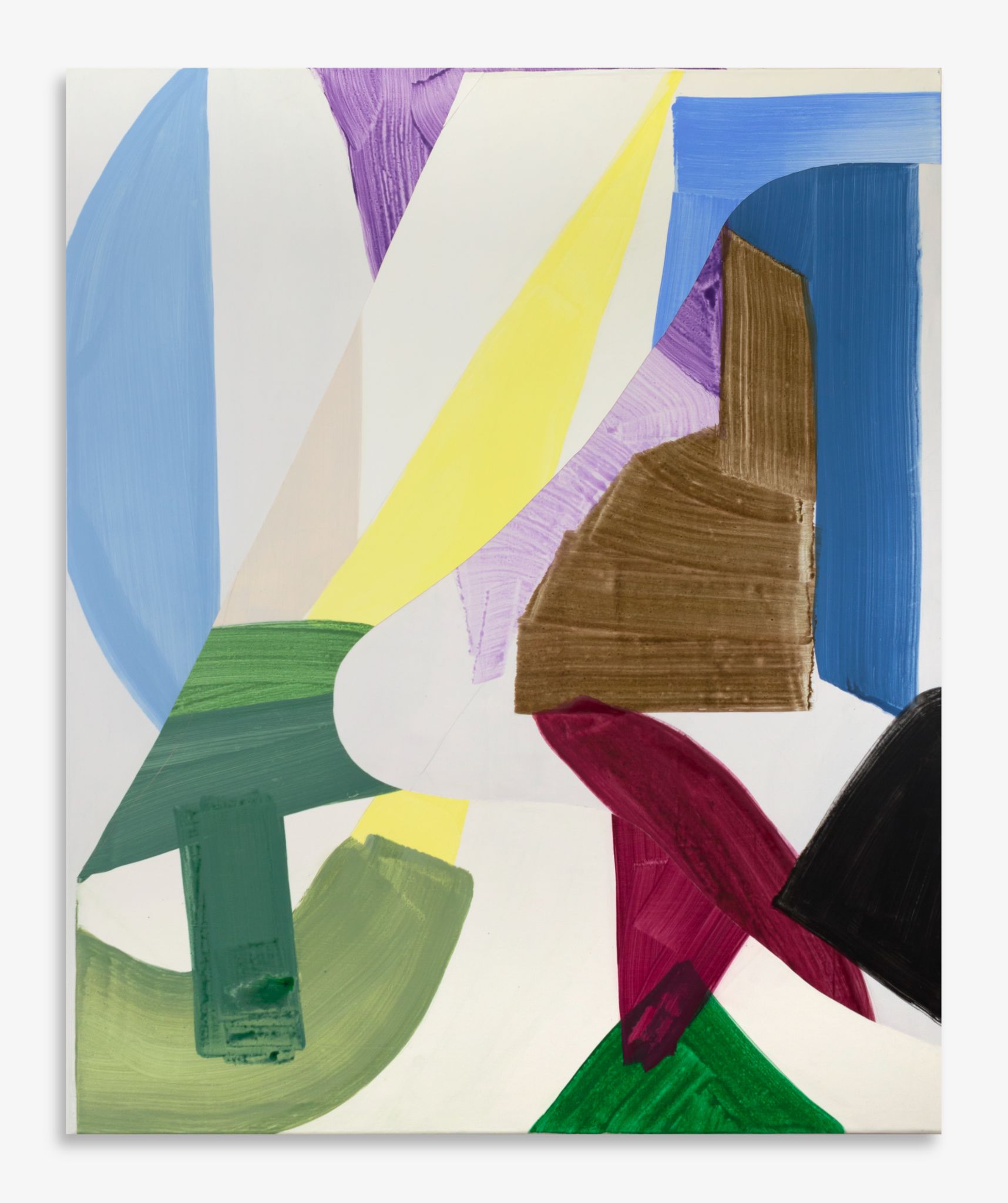
Feature image by Jessica Thalmann, Building Blocks, 2026.