Joshua Conliffe parla di cinema, colore e fotografia di moda sperimentale
Joshua Conliffe is a New York–based photographer and multidisciplinary creative carving out space for grunge in a new generation of image-makers. With a sharp eye for texture, movement, and bold color, his work merges high-fashion editorial with grit. Still early in his career, Joshua is already building serious momentum, creating works that are both refined and unapologetically raw.
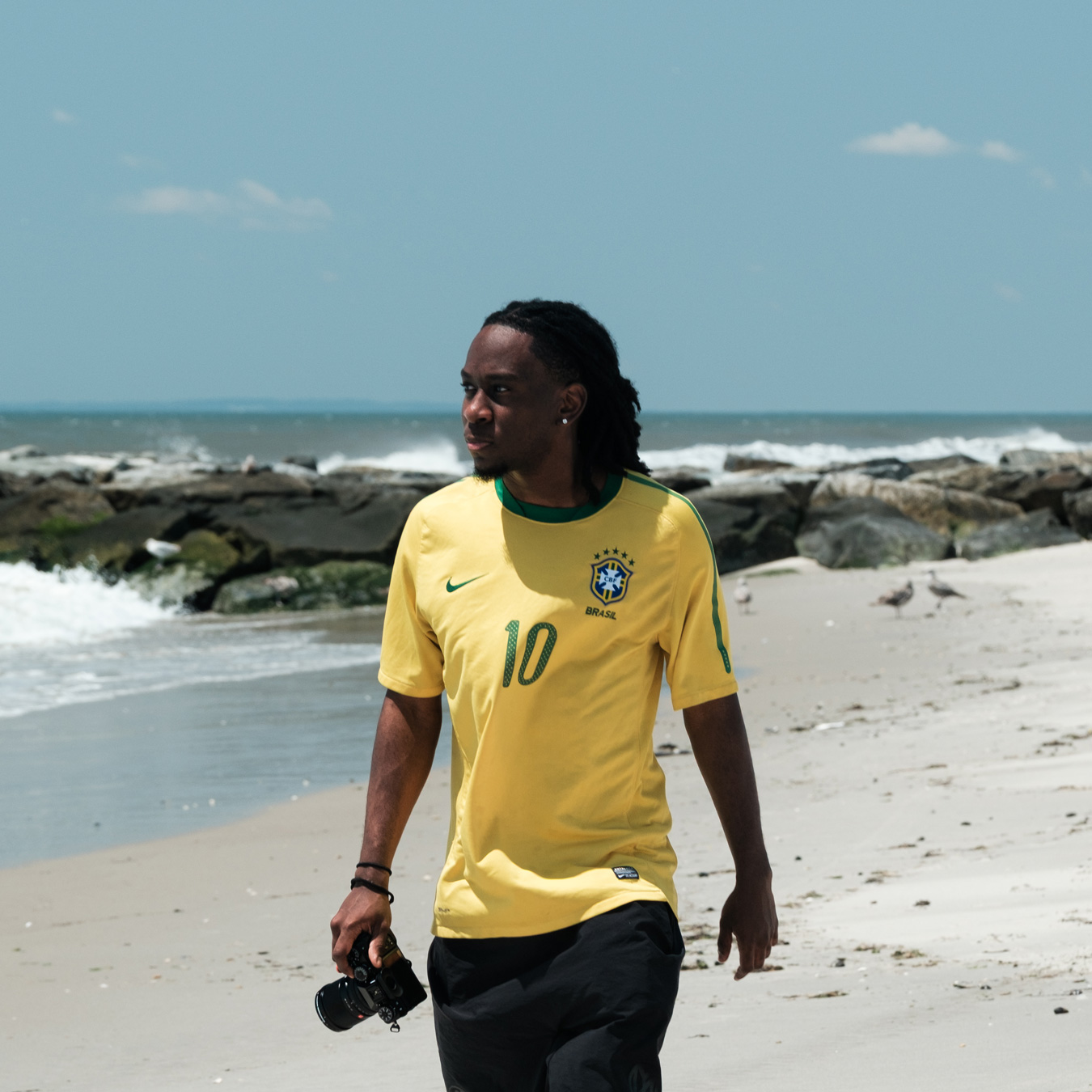
Photographer Joshua Conliffe.
From Graphic Design to Fashion Editorials
Your images are layered with creative influences—from styling to color theory. As someone working across disciplines, what led you to focus on editorial fashion photography?
I started in this whole creative field because I went to school for graphic design. I was already into clothing and fashion. I even had a clothing brand that I wanted to do.
I would see ads for clothing and they would always draw my attention. And I wondered, how did they shoot this? Every time I saw a billboard, every time I saw an ad or even a post I realized that a lot of them are shot on film. So I just picked up a film camera. Then I just started shooting film like crazy and I feel like that really made me fall in love with it.


Una guida per migliorare le vostre abilità fotografiche
Migliorate la vostra fotografia con la nostra guida gratuita. Ottenete l'accesso esclusivo a suggerimenti, trucchi e strumenti privilegiati per perfezionare il vostro mestiere, costruire il vostro portfolio online e far crescere la vostra attività.
Ricevi il meglio della rivista Format nella tua casella di posta elettronica.
Momentum, Networking, and Landing Global Campaigns
In just a few years, you’ve gone from learning a new medium to photographing campaigns for global brands. What do you credit that growth to?
When I first started out, I was breaking out of the shell of being antisocial. I would walk around SoHo a lot and just capture people’s outfits and they honestly would love the style of the work and from there I just networked and met a lot of great people.
I was contacted in 2024 to do a campaign for Under Armour. They came to me with a pitch about Halloween, they already saw my page, they already knew what I was doing. It got a lot of traction and yeah, from there, we built a relationship and we had a whole bunch of shoots throughout the years and I just know that every time they call on me, I can come up with something creative.

Film, Color & Contrast: Building a Distinct Visual Language
How would you describe your work to someone who’s never seen it before?
I feel like my work really speaks for itself when it comes to color, grunginess, textures, film. I’m finding ways to have more storytelling and to provide that aspect in terms of visuals. I like to use a lot of movement as well with my photos.The main concept of that series [Urban Vogue] was to photograph high editorial-like content, but in places that are kind of run down. I feel like the contrast goes well together. Urban Vogue now is so much more than just shooting in a rundown space. It’s more about creative expression and what work that I can do that feels very experimental. I just want it to be a series that depicts the highest level of creativity.

Your experimentation doesn’t stop at subject matter—it extends to the material itself. What does film allow you to explore?
I’m very experimental, so I’m always down to do whatever and just play with whatever I can. Film gave me that range to really play with everything, down to the color, down to the grain. Even when you shoot film, sometimes you make mistakes, sometimes there’s light leaks. That’s experimental to me. I would see people get their film rolls and boil it, stuff like that. I feel like if you’re not really experimental, then you can’t really achieve what you’re trying to do.


Your work isn’t afraid of color and that confidence sets you apart. What role does color play in shaping how people experience your images?
I feel like coloring is a very big part of what I do and it really draws in the audience and it kind of tells a story in a way. I’ve been doing my research for years about how certain photographers get their work so noticed, or how they drive such a big audience to their work. I realized that they use a lot of bold, vibrant colors.
Every time somebody sees red or every time somebody sees yellow, they’re alert. When you see phone notifications, it’s red. When you see hazard signs, it’s yellow. Once you master that and once you learn how to effectively do that, you can communicate with the audience.

Advice for Breaking Into Editorial Photography
For someone early in their career who wants to move into editorial work, what advice would you give them?
If I was giving anybody advice on how to do more editorials or to be in a space where they can do a campaign, I would tell them to study the greats or study who they look up to; what their style is, and really try to mimic what they do in a way that’s not plagiarizing, but just see what steps they took.
There’s a lot of advice on TikTok. I would usually go on TikTok and look at BTS and see the process of them taking the pictures or doing the lighting. Find out what camera they use and even try to use the camera that they have. If you can’t even afford it, just try to rent it. I have done that. I figured out that a lot of big photographers use film 120, so I decided to get that; and ever since…everything just took off.

Building a Portfolio that Matches the Work
With your background in design, you understand how presentation shapes perception. What decisions did you make in building your digital portfolio to best reflect your practice?
I was on a different platform and I was very unhappy with it. So I was scrolling through Instagram and I found somebody that uses Format. Then I went to Google and I did my research and I found that Format is really catered towards creatives, especially photographers. And what really drew me in is the fact that I can use different templates and alter them. I love the template that I’m using because I feel like it’s simplistic and it’s very much what I go for. I’m very minimalistic when I design. I feel like the page that I have—the fact that it’s just one screen and it’s just a whole gallery of photos. I feel like that’s very much me and I love it.

Want a portfolio that feels like you?
If you’re refining your visual style (or building momentum like Joshua), Format makes it easy to create a clean, customizable photography portfolio with endless possibilities—no coding needed.
→ Start a Format free trial and choose a template—no credit card required.
→ Customize layouts to fit your work (editorial, campaigns, personal series.)
→ Publish a portfolio that looks professional on any screen.
What are you working toward right now, and what does the next milestone look like?
In 2026, I feel like everything is going to come together for me because I’ve been working for so long to achieve a certain goal. Even though I’ve seen small glimpses of me getting to that point, I feel like this year I’ll really get to express myself how I want to creatively—with the photos, the videos, shooting campaigns—just being experimental as well. My goal is to do a billboard.
See more of Joshua Conliffe’s work on his Sito web del portfolio Format.

Costruite il vostro portafoglio con Format
Il costruttore di portfolio online #1 è stato valutato da artisti e creatori.