

Photographer, painter, art director, and founder of Manifeste, Sébastien Jurkovich built an 18-year career on raw instinct, self-taught technique, and relentless experimentation. Ahead of Manifeste Magazine’s debut in Montreal this fall, Jurkovich sat down with Format to discuss what goes into producing an independent photo magazine on his own terms—from fighting digital fatigue and taking creative risks to selecting work driven by authenticity.
Q: Your imagery carries a very distinct energy and edge to it. What specific point of view do you want to bring to photography, and how does that show up in your style?
When I was working in advertising, I decided to switch to photography because what I was seeing from other photographers didn’t interest me. Part of that is personal. I wasn’t born here. I was born in France and grew up in Paris, Geneva, and Brussels because of my parents. I grew up with a very different culture than we have in Canada, and what I was seeing was, to my opinion, a lack of creativity and a lack of history about photography. The cultural references were very different and I thought that I actually could do something more interesting.
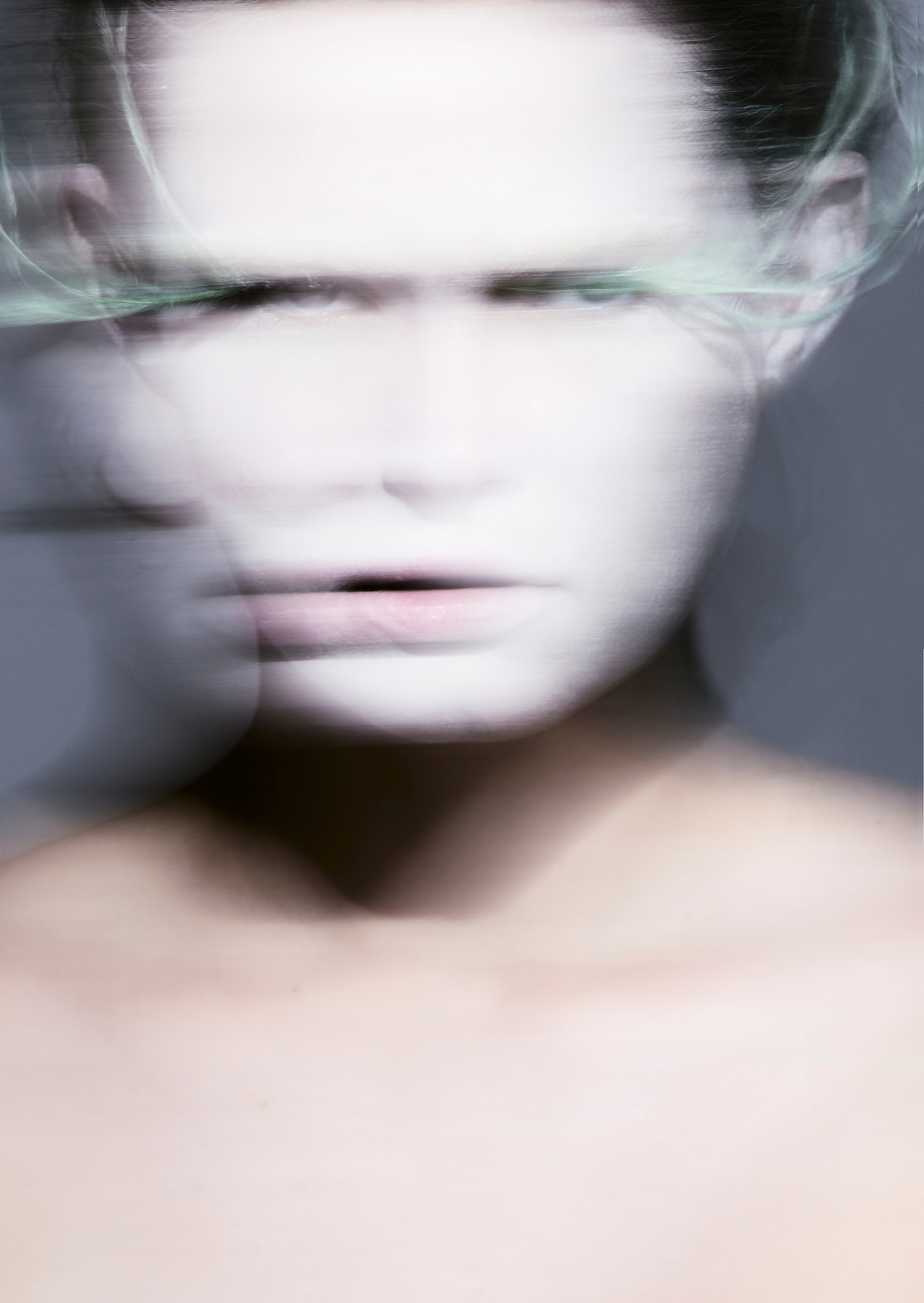
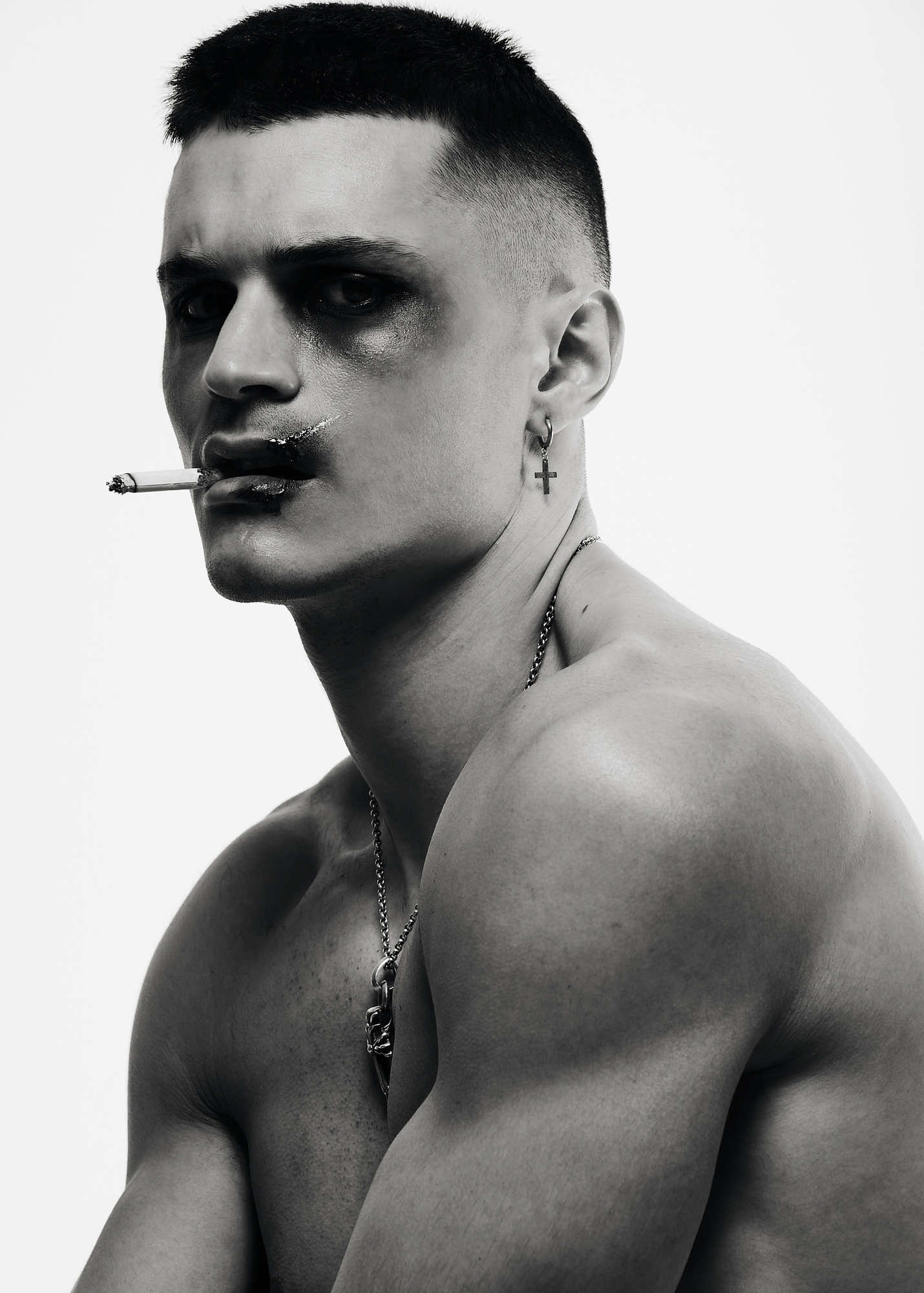
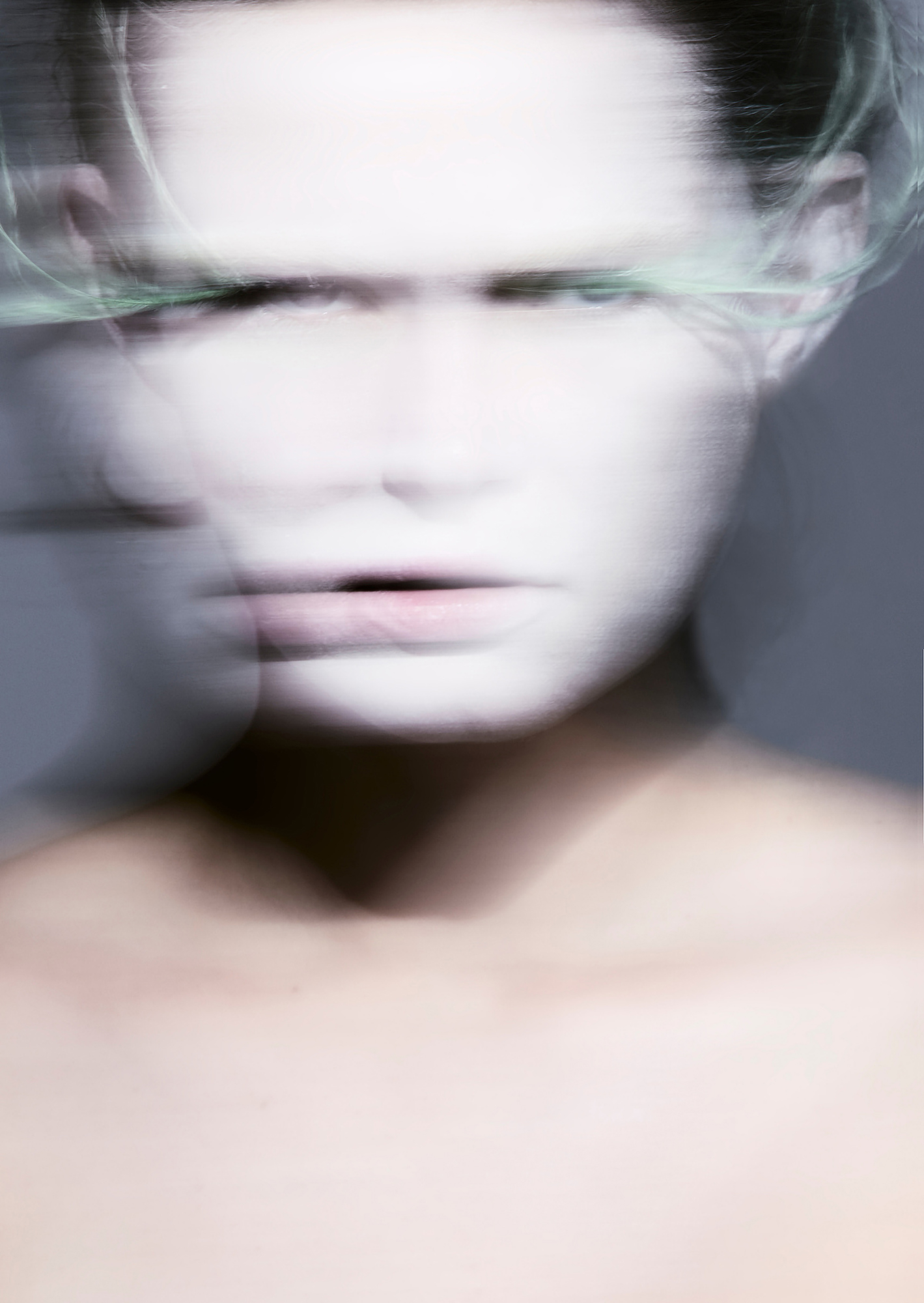
As for my style, it’s always very chic, but there’s always a sense of danger and a sense of provocation in my work. There’s always an underlying danger present in what I do.
Q: Having developed such a clear perspective and visual voice over your career, what ultimately sparked the decision to build your own photography magazine?
I’d had the thought for the past six years or so of creating something. A zine, a magazine, a book. The idea was there because of certain trends and new photographers I was seeing.
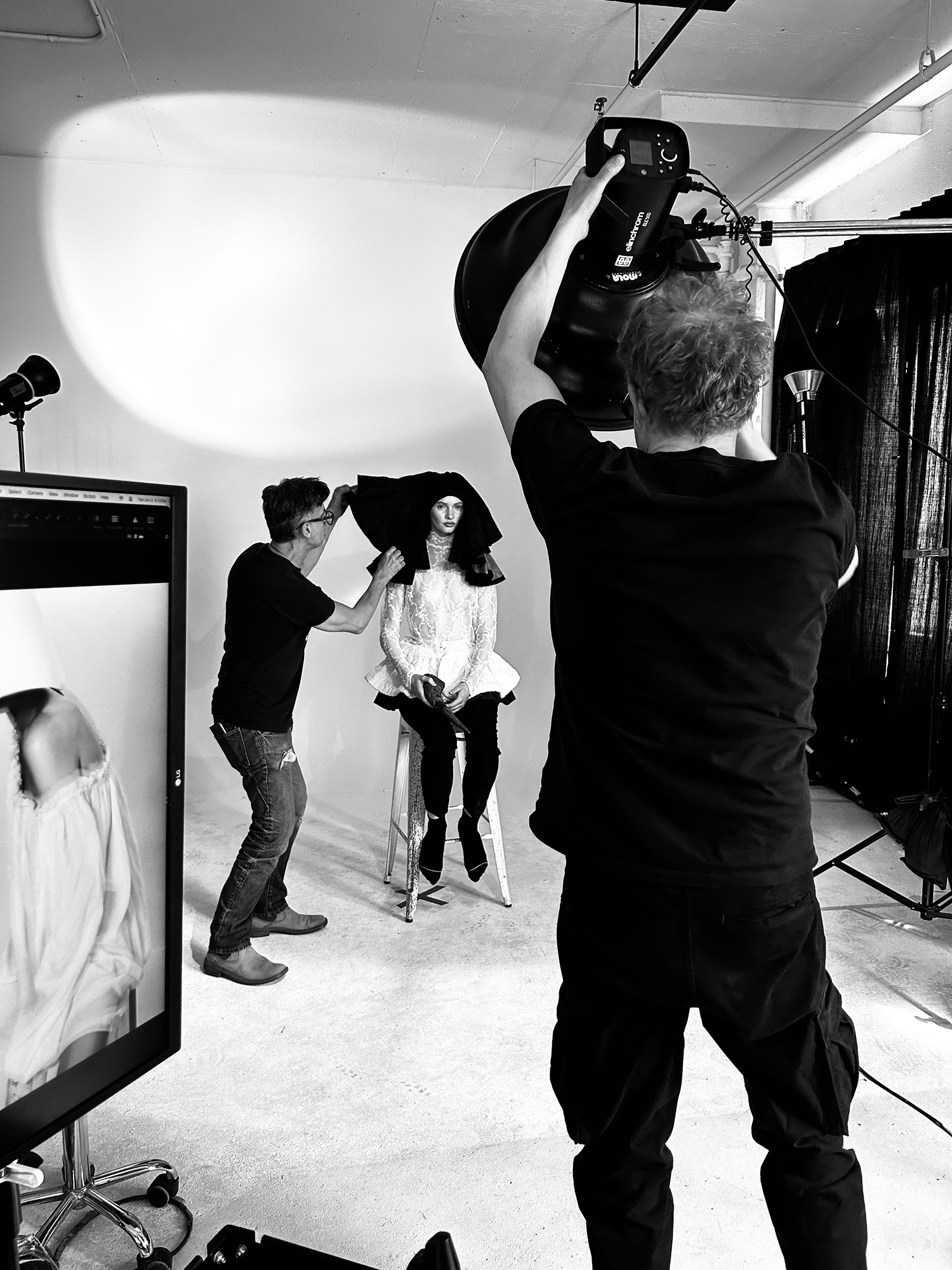
The actual birth of Manifeste was on a commercial shoot in January. I was shooting with a good friend of mine, Steeve, a makeup artist with forty years of experience who’s worked with the industry’s best since the eighties. We got into this discussion about the state of photography, the distribution of images, and how we were all so subdued and drowning under so much noise and bad photography.
I stopped the shoot for two seconds, looked at Steeve, and told him: I have the name. It’s going to be called Manifeste. Three or four days later I was sending emails, making calls, trying to find partnerships. That’s how it started. Around a discussion on a commercial shoot.
Q: In an era dominated by endless social feeds and compressed digital screens, why choose print as your medium?
You basically answered the question yourself. That is exactly why print, because of the omnipresence and the enormous flow of images all the time.
You restrain that. You take artists who are very good and you put them in a small thing you can hold. On Instagram you scroll through a hundred and fifty images a day and you get lost. You can’t appreciate anything anymore on a super small screen. The artistry gets corrupted by the quality of the screen, the color rendering. To be honest, print is a response. It’s a response against all of that. So I think it’s exactly the right moment to launch something in print.
Q: Beyond compressed screens, how do you feel widespread smartphone technology has shifted the way society views photography?
I think it’s a series of events. Ever since there were cameras on cell phones, the idea took hold that everybody’s a photographer. With that thought entering the general public, the idea of photography as art got downgraded. People started seeing it as consumerism, as something easy: I can just take a picture and I’m a photographer.
There’s such a pleasure in looking at a good picture, especially in a format that’s ten by fourteen inches, which isn’t a typical magazine format. To see it as a piece of art, as what it is: photography as art.
Q: Given that desire to treat photography as art again, how would you define the curatorial philosophy and visual identity driving Manifeste?
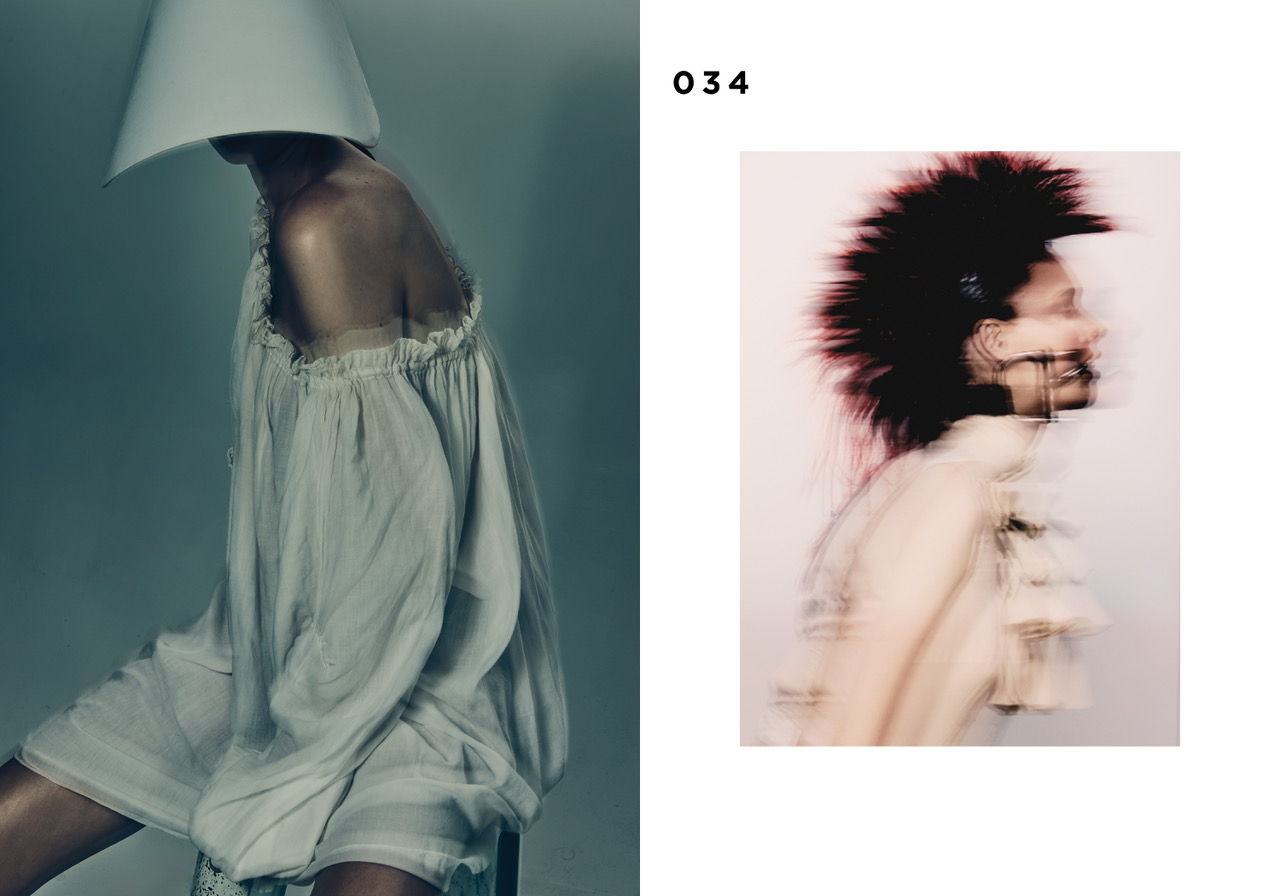
The philosophy is: the raw, the strange, the beautiful, the unruly. What I’m doing is bridging the types of photography, and I’ve never really seen that done. It’s a photography magazine about celebrating a certain avant-garde. A lot of the photographers in the first issue come from the fashion industry, but what they made isn’t necessarily what they normally do, which is exactly what I wanted. I also have photographers coming from the Fine Arts side of photography, so it’s really about celebrating the art of photography without being branded.
You can expect something that switches and gets you into a broader view of what art is. Something that ranges from the super fashion thing to something completely abstract.
And if I can come back to perché this magazine: I feel that in photography, and in the arts in general, risk-taking has vanished. I mean, art has never evolved without taking risks and becoming consensual in my opinion, so MANIFESTE is also there for that.
Q: When reviewing work and curating contributors for Manifeste, what sets a genuinely authentic portfolio apart from technical perfection or online trends?
First of all: authenticity. Is it a reproduction of a reproduction of an image they saw on Instagram, like all those Keith Haring and Basquiat clones you see everywhere? Or is the work authentic?
“Does their work speak of them as an artist? Do their pictures say what they live, what they drink, what they eat, what they love, who they love? Does it say that? I want somebody who has their own voice.”
You can be a very good photographer and master lighting and retouching, but if all I see in your portfolio are Steven Meisel shots, that’s not interesting to me. They might be good pictures. But it doesn’t interest me.
My first question in every meeting was: “Why did you start doing photography?” Some of the people I spoke to were caught off guard and didn’t know what to answer. And honestly, if you don’t instinctively know why you started doing art, I don’t think you’re actually an artist. In my opinion, anyway. But these are very few though and they’re obviously not in the magazine.
Q: So for you, it comes down to passion and craft?
Committed e good at their craft. And when I say good, I don’t mean “this is a good or bad picture in an academic way.” I mean, are you committed, and have you mastered your craft to a certain degree? That can happen at twenty (even if rare loll), at forty, at seventy-five.
I have a sixty-five year-old photographer in the magazine who’s one of the best fashion photographers in Canada over the past forty-five years. I also have a twenty-six-year-old whose work is crazy, amazing, and very mastered for his age. Age doesn’t matter. Do you have the passion, and do I see you in your pictures? That’s what I’m looking for.
Q: You’re officially launching Manifeste on November 10th in Montreal. What can people expect from the night, and how limited is this physical run?
I have the place and the partners. It’s an industrial space, twenty-foot steel ceilings, white, two thousand square feet overlooking the St. Lawrence. It’s going to be beautiful at night. DJ, bar service.
I did a very small run, about 200 copies. I’ll give some to the teams and to journalists, but honestly I’m pretty sure I’ll sell out the evening of the launch.
Q: For people who can’t make the launch in person, how can they buy a copy—and what makes Format the right home for the publication?
Yes, I’m going to sell it on the Format site. This year I’m not going through stockists yet because of costs and the Canadian library system, so it’s online only for now. Format is the perfect vehicle for artists. It’s the perfect platform, because it’s dynamic and very easy to work with, unlike certain other platforms. It’s made for artists.
I also have my personal website on Format. And here’s an important point that ties back to print: on the Manifeste site, I will not put the full editorials. Maybe one or two pictures from each, just to give a feeling of what’s going on. But never the full editorials, for exactly that reason. It’s not going to be on the web. If you want it, you buy it. If it’s sold, too bad, come to the next one. It’s a community thing.
Q: Following the official launch, what does the next chapter look like for the publication?
I’m already looking for photographers for the second issue. To me it’s not a local magazine, it’s a Canadian thing, and eventually I want to export it. Stockists in Toronto, Vancouver, then London, New York, and Paris. I’m not stopping. It’s not a one-off.
I think the world needs it. With the over-stimulation of images, and with everything going on with AI, more than ever we need a relationship with something tangible.
We need to hold something in our hand and see art the way it’s supposed to be seen.
Q: Carving out your own path in a sea of digital noise isn’t easy. What advice do you have for photographers looking to step away from trends and build a publication of their own?
Do it. Do it and be true to yourself. Don’t try to be a trend. Don’t try to do what’s working right now. Just be yourself and go do it. If it works, it works. If it fails, it fails. At least you’ll have the pride of doing something for a community that really needs it. It’s funny, coming from me, because I’m very much a loner. But it really is about community.
Mark your calendars: Manifeste officially launches on November 10th. The event is just the start of the journey—head over to the official Manifeste site built with Format to explore exclusive editorial previews, stay updated on future issues, and order your copy.
Ready to build something of your own? Create a platform that helps you break away from the feed, launch independent projects, and showcase your work online. Start a free trial with Format—no credit card required.