

I will start this article by saying that I firmly believe that a photographer’s vision, style, ideas and aesthetic is the photographer’s greatest skill.
Lighting can often be learned rather quickly, or you can make use of a gaffer at high-end photoshoots. Retouching is a tedious skill to learn but nothing excessively complicated and photographers often work with retouchers. Working with cameras and lenses will come with experience and practice and operating a photo camera is not flying a plane.
But your vision is something that is developed over many years and shaped by our unique experiences, memories, and feelings. It is therefore of utmost importance to develop that vision, come up with new ideas, and improve your imagination. The vision is often unique to the person and what can set you apart the most.
Understanding Your Vision in the Context of Your Personal History
Much of our creative vision is shaped by our childhood and where we grew up. Imagine yourself growing up in a city like Florence, where every day you’re surrounded by beauty, magnificent architecture, paintings from all over the world, museums, and a rich historical culture. Or imagine that your parents frequently brought you to movie showings, exposing you to a world of mesmerizing cinematography and unique perspectives.
You get where this is going? Our experiences shape who we are and our vision, and we recall those experiences for inspiration often. Those of us with strong connections to experiences in our personal lives will have an easier time drawing inspiration from our past, but this doesn’t mean that those of us without those experiences or natural talent can’t do so. Learning to find and interpret inspiration is a skill like any other.
How to Develop Your Vision
Here are some steps you can take to help develop your creative vision and language:
- Watch meaningful films with stunning cinematography. I am a huge movie lover, and I am certain that has had at least a minor influence on how I see things and how I photograph. The colors that I prefer in my photographs often match the color grading of movies that I find the most aesthetically pleasing, and I even like black and white films. Movies inspire me greatly and often give me ideas for photo shoots.
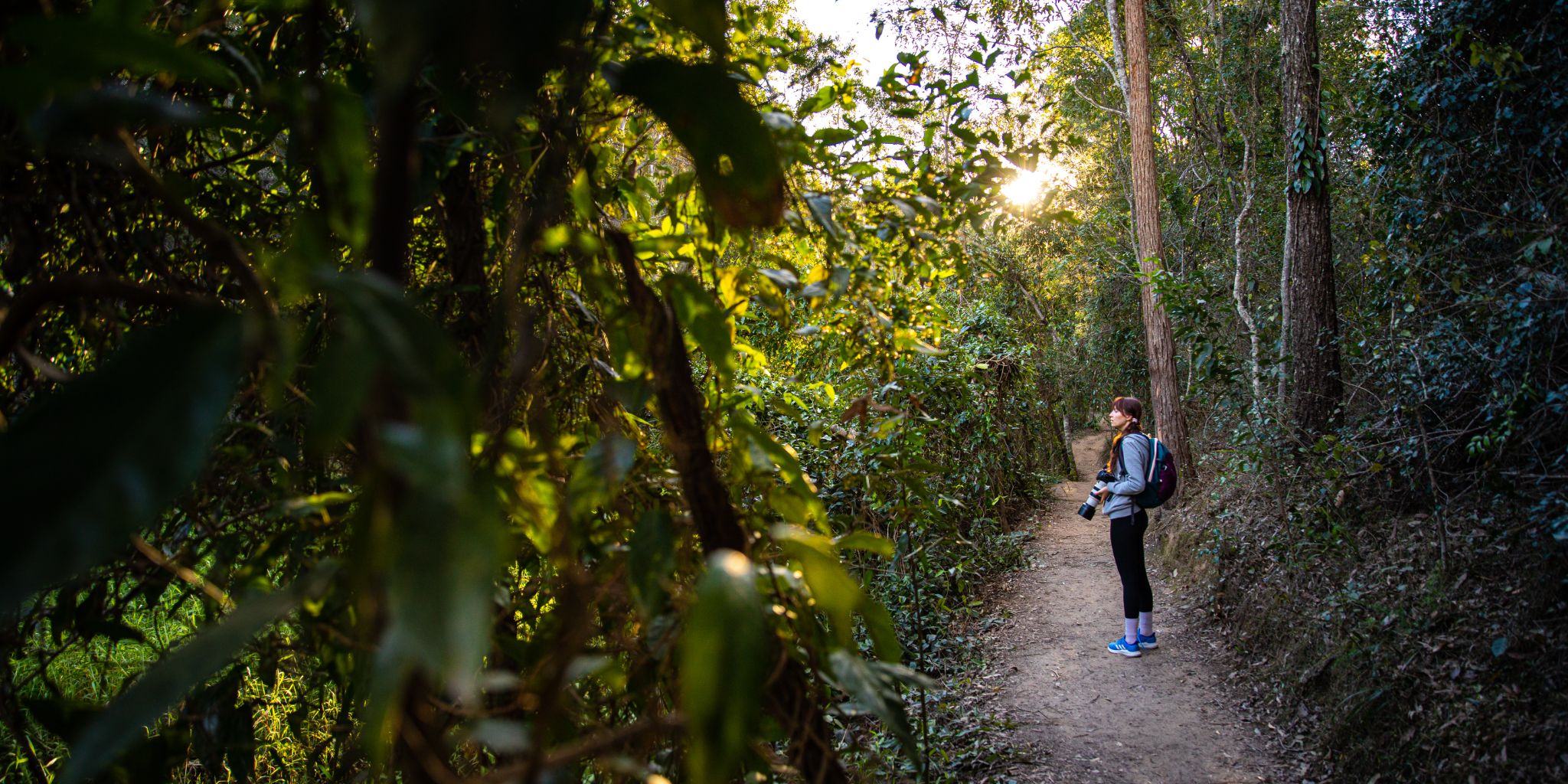
- If you were not fortunate enough to be born in an ancient European city with plentiful art and gorgeous architecture, fret not. There is a solution to this hindrance, and it’s a fun one. It’s called travel. Travel to other countries and cities where you can look at beautiful art like paintings and sculptures, interact with local culture, see unique and mesmerizing architecture, and see places with breathtaking nature like Iceland or South Africa. All of this will develop your aesthetic and give you inspiration. I go to Italy almost every year with my family and it is hard not to get inspired among all that beauty.
- Look at the work of other photographers and artists. It’s okay to imitate and get inspired by others, especially when you are looking for inspiration and developing your style. Even to this day, I will often research the work of my favorite photographers and look at their latest work or past work. I will use it in my mood boards, get inspired by them, and train my vision.
- Organize your social media. Start removing all the junk and accounts that you unnecessarily follow. On my professional Instagram account, I only follow people strictly from my industry as well as my favorite photographers. In Instagram’s settings you can also adjust your algorithm and tell Instagram what you are interested in seeing: photography, behind the scenes, movies, retouching techniques, etc. By following these steps, I see beautiful and relevant work, useful information, and inspiring imagery.
- Utilisation models.com. I am sure many of you already use Pinterest for inspiration but a special place in my heart is taken by models.com. Models.com is an online database and platform for the fashion industry where the most acclaimed creatives and publications have profiles and publish their work. It is a very useful tool to see the latest editorials campaigns and photoshoots of your favorite creatives. I will often go to profiles of specific magazines the style of which I like to find inspiration. Harper’s Bazaar is a frequent one for me.
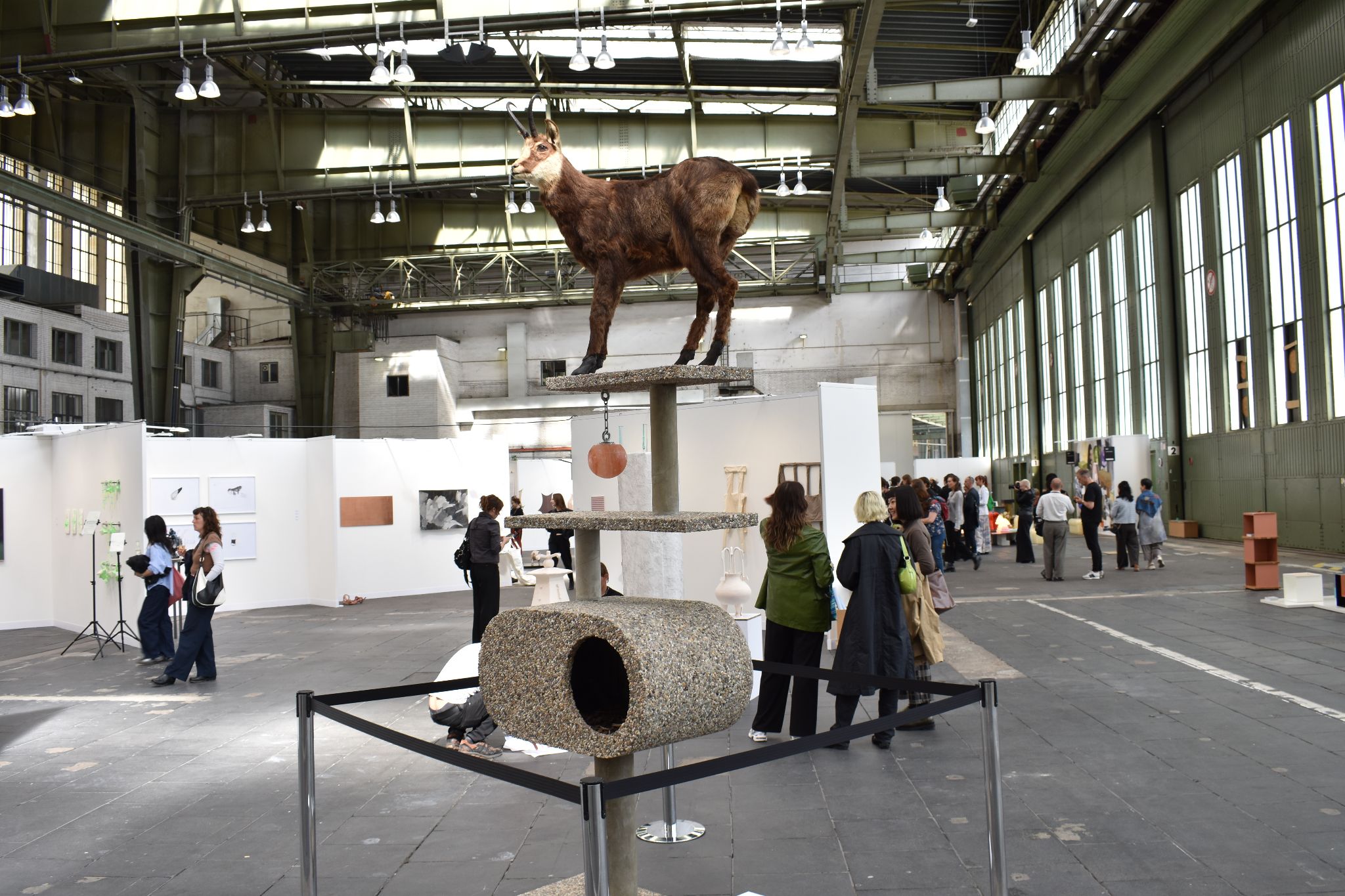
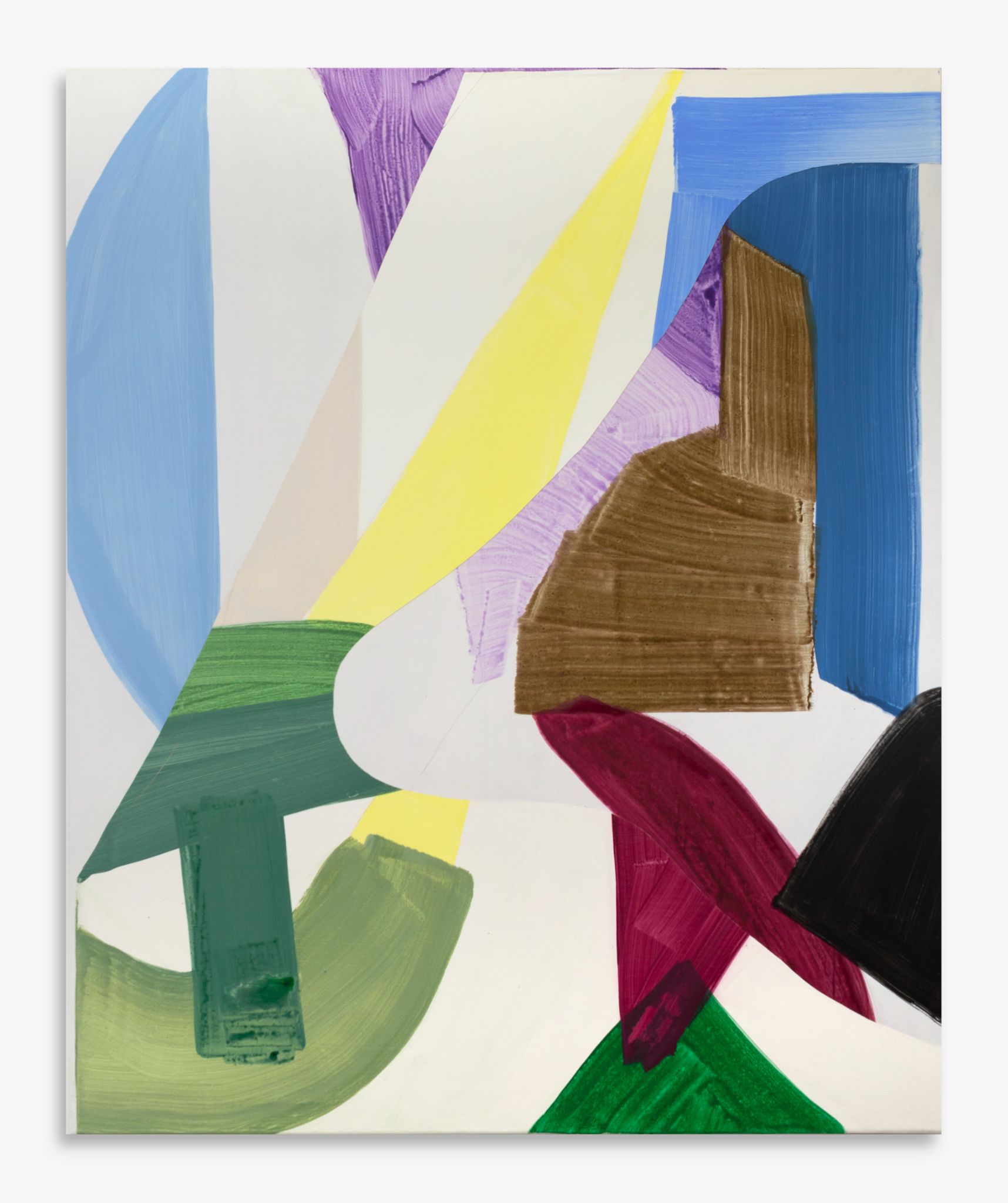
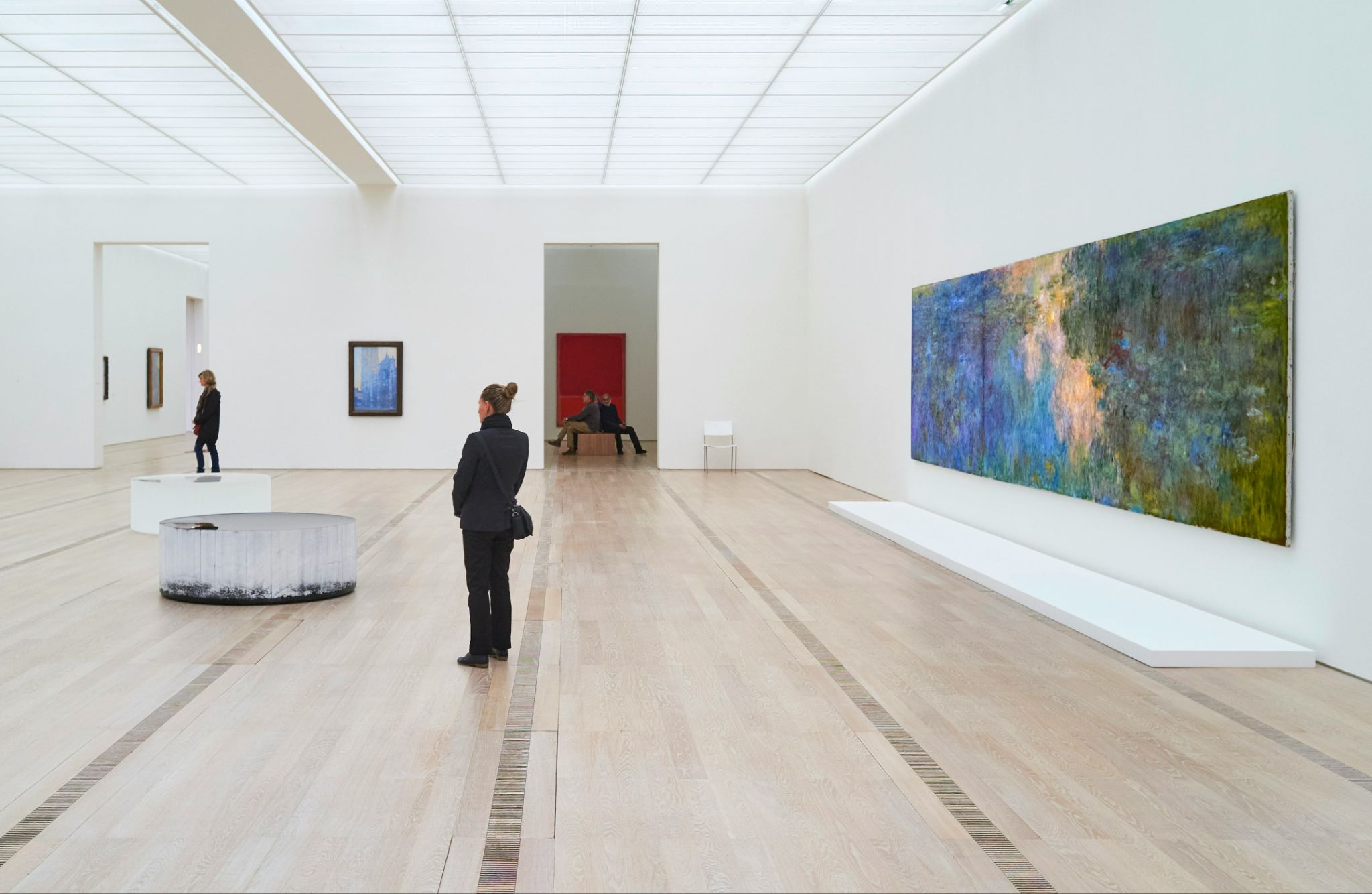
- Go to art shows, galleries, and museums. Visit photo exhibitions if you have any in your city. Visit art museums, even if they don’t specifically have photography. Even though paintings are not photographs, they are in a way their ancestors. You can still learn composition, mimic lighting, and get inspired by the works of great painters. There are some photographers whose lighting style and imagery mimics paintings. Recently there was an exhibition of Richard Avedon’s work in Montreal’s Museum of Fine Arts. For me it is impossible to feel uninspired after visiting it.
- Read, read, read. This might be slightly subjective advice, but a big part of my childhood was reading books. Books train your imagination and force your brain to construct and visualise things. I particularly love speculative fiction for this purpose, genres like fantasy and science fiction.
Ready to turn inspiration into a body of work? A Format portfolio gives your evolving vision a gallery-ready home worthy of the images you are building toward. Try it free today.
Building a Database of Inspirational Content that Speaks to You
A helpful step to take is to build your own gallery for inspiration. I created a small database on my computer that has the following structure. I have three files in the database:
Styling
Where I keep images with styling and clothes that I like. These are not necessarily photoshoots that I love, but images where specifically the outfits inspire me. I will keep them for future photoshoot ideas and will often show them to stylists.
Locations
I will often save images here that are from stunning locations worldwide. I will then often cry over the fact that I rarely shoot in those mesmerising locations. Jokes aside, these images inspire me from a cinematic and artistic point, and I will often keep these locations in mind when choosing ideas for a creative project.
Photographes
This file contains many files with names of my favorite photographers, and it will contain my favorite work of theirs. I will save those images mainly from their websites and social media. You can usually download them from their websites but if the download option is disabled, I will simply take a screenshot. If I want to look at a particular photographer, I will simply go to the file with their name.
As a side note, I will also do a similar process on Instagram. You can save posts and put them in specific folders, and I have even more folders there that I go to for inspiration and to train my vision.
Overall, I would like to conclude that your vision, style, and sources of inspiration are essentially a reflection of what you fill your life with. Living in a beautiful city with interesting architecture, visiting museums or galleries, traveling, reading, and surrounding yourself with art and natural beauty are some of the most valuable things you can do to develop your creative vision.
You can build your environment deliberately, surround yourself with the sublime, and you will be inspired.
Build your environment deliberately, then show it off. Create a Format portfolio and let your creative vision become your visual calling card. Start your free trial.
Contributeur
-

Alexander Karlov est un photographe international spécialisé dans la mode et les portraits, basé entre le Canada et l'Europe. Dans son travail, il cherche à combler le fossé entre l'art et le commerce, en créant des clichés époustouflants qui racontent une histoire et représentent ses clients de manière significative, tout en encourageant l'authenticité et la vulnérabilité de ses sujets. Son style se caractérise par un aspect minimaliste et vintage, semblable à celui des films, avec un contraste élevé et une forte préférence pour la lumière naturelle.
Il puise son inspiration dans les films classiques, les magazines de mode emblématiques et les œuvres de photographes légendaires tels que Richard Avedon, Steven Meisel, Peter Lindberg, Mario Sorrenti et Paolo Roversi, qui ont eu une grande influence sur son style caractéristique.
Donner du pouvoir aux gens, mettre en valeur la beauté humaine, raconter des histoires visuelles et apporter une touche de sublime.– tels sont les objectifs de son parcours artistique.