
The Data Behind Film Photography’s Comeback
In 2026, unless you haven’t been keeping up with current photography trends, you probably noticed that analog photography is having a resurgence.
This isn’t just a feeling; it’s supported by evidence. Many photographers are shooting film and some even make it part of their branding. After the introduction of digital photography, it was inevitable that film photography would take a huge hit, and it did. Sales started declining, film stocks were discontinued, and the analog market reached its bottom around 2015, compared to 2003 where it peaked (over 1 billion rolls sold).
Since 2015, film has slowly started to get back on track. Here is some data to support it:
- According to Matt Growcoot, senior news editor at PetaPixel, interest in film photography has more than tripled since around 2020.
- Kodak reintroduced some of the discontinued film stocks like T-MAX and Ektachrome, and this year rebranded and relaunched many film stocks directly under Eastman Kodak distribution instead of Kodak Alaris, which gives Kodak more control over its products.
- According to Chemical & Engineering News, Kodak’s film sales are now estimated to be in the neighborhood of $100 million per year, based on figures from Kodak’s 2025 annual report showing that its chemical and materials division—of which consumer film makes up about a third—accounted for roughly 30% of total sales and 63% of profits.
- Fujifilm sold more than 6.5 million Instax cameras in a year, up from 3.9 million in 2014.
- According to Glyn Dewis, citing market research on the vintage camera sector, the vintage/collectible film equipment market—cameras, not just film stock—is projected to grow from $1.19 billion in 2025 to $1.68 billion by 2031.
Film Is Back in Motion Too: Cinema and Video
In addition to all of this, we see the same trend in videography and motion picture film. Many directors have switched to film. Christpher Nolan, Ryan Coogler, Robert Eggers, and many others have shot their recent acclaimed movies on film. Even Denis Villeneuve, our Canadian and Quebec pride, opted to shoot Dune 3 on film rather than digital. You also see a lot of video clips, campaigns, and other material being shot on film.
Why Is Film Photography Making a Comeback?
I should make a disclaimer first. Although I am a professional in my industry and I do use film, I am still a young artist. I do not sit with great directors, photographers, Kodak executives, or other big players who see more of the inner workings of this film renaissance, so I can only give you my interpretation of why this is happening.
Digital Fatigue and Content Overload
Previously, learning photography was a much bigger commitment. Unlike digital photography, there was less margin for error, and you needed to learn more about light metering, chemical processes, and much more. This was a very expensive endeavor, and the information to learn was not as readily accessible. Today, almost anyone can buy a cheap used camera, watch some YouTube videos and start shooting.
With digital, you can also shoot astronomically more than film. But that volume has become a problem. Instead of focusing, concentrating and being selective, we turned the art of photography into infinite and never-ending and overly-processed content. Film’s scarcity slows us down and makes us more deliberate.
AI Image Backlash
With all forms of change, there’s always a counterforce pushing back to preserve the old ways. We can think of vinyl records which also grew in popularity after a decline, or physical books which are also having a resurgence over ereaders. Funnily enough, when photography first became commercially available, there was concern it may replace painting, but it actually helped birth impressionism and abstract painting.
This is a recurring process in history and that is exactly what we are experiencing with AI. Many artists are angry. It’s not just fear of replacement, but also an offense to many. The idea that a machine could craft something similar to the unique human mind of an artist with their style, aesthetic, history, and experience offends and disturbs many artists.
A Distinct Aesthetic: The Film Look and Feel
Film absolutely has a visually stunning and unique aesthetic to it. Just compare a flat RAW file to an unedited analog photo. Often richer colors, halation, less over-sharpening, different characteristics depending on film stock, highlight roll-off, grain. This is one of the main reasons photographers shoot film. Digital photos often just feel flat compared to film ones. Many photographers simply prefer a more vintage analog aesthetic to their photos; it’s part of their style and visual aesthetic.
Now I have to add something important to this. I do not believe that this is achievable in all cases and can be achieved perfectly and consistently, but I do believe the film look can be replicated pretty accurately. You can absolutely edit a photo in a way that people would think it looks like film. You won’t always be successful, but it is possible. Apart from the editing, a useful trick is using vintage lenses on digital cameras. That removes the clinical sharpness, and sometimes adds more character and imperfections.
Shooting film to stand out? Give your work a home that matches the craft. Build a gallery-ready photography portfolio on Format.
The Ritual and Nostalgia of Shooting Film
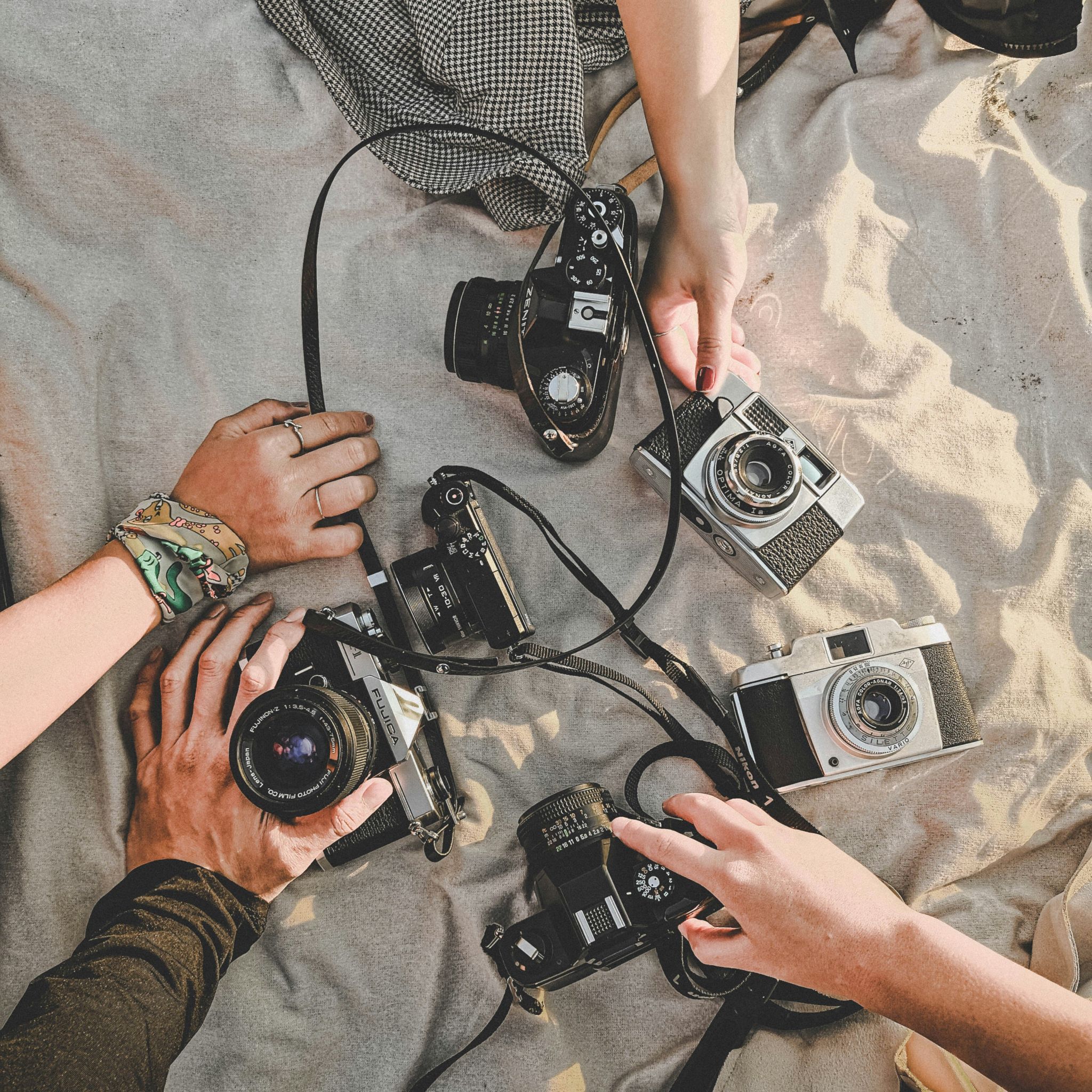
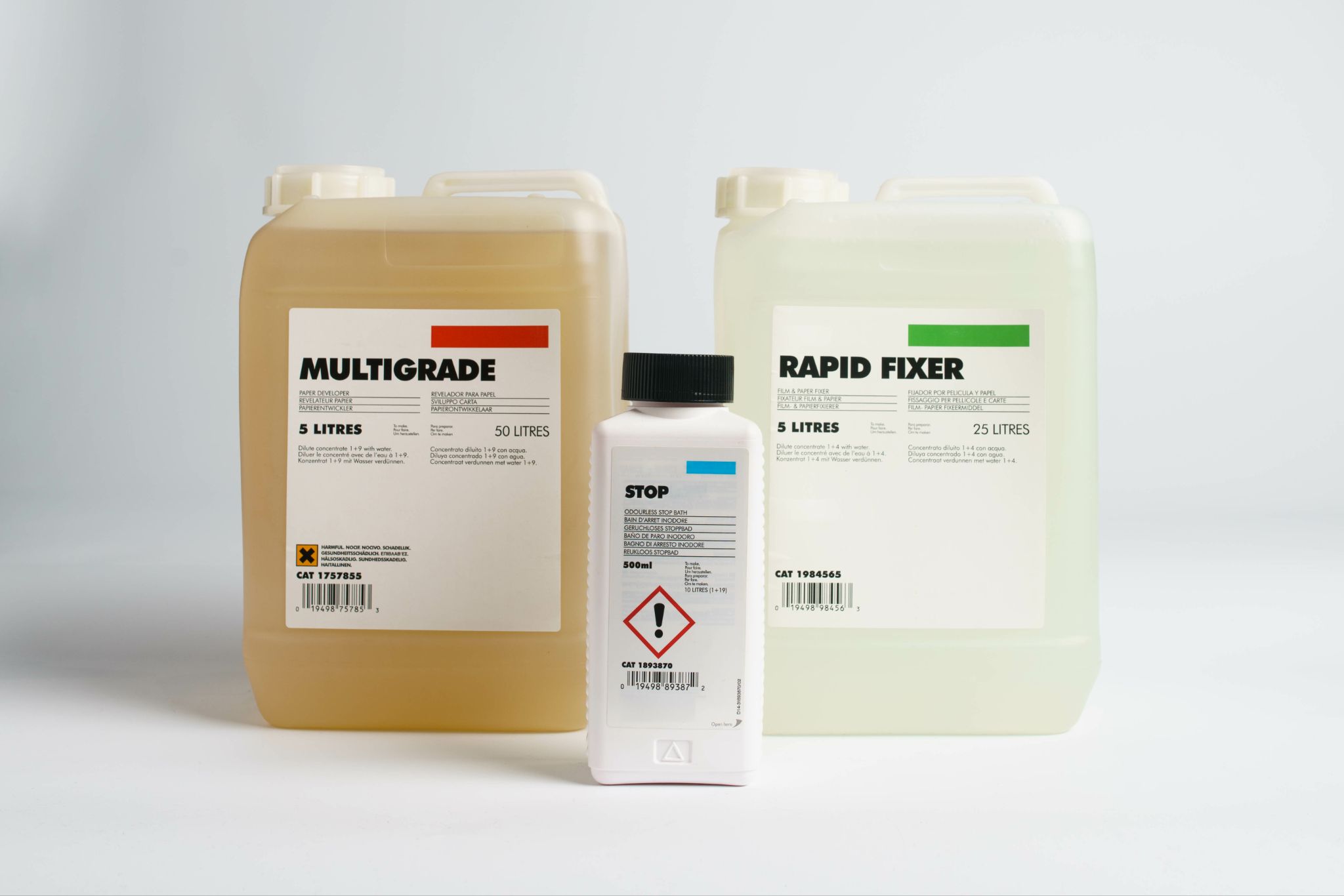
This goes a bit in line with the pushback and digital fatigue but that doesn’t make it less true. Honestly, many people just like the process of producing film photos, from loading a roll to development and scanning.
For many photographers who previously shot on film for many years and then switched to digital, this is simply a nostalgia trip. I guess it’s the same feeling people get when they drive an old vintage car.
More Deliberate, Intentional Shooting
With film, you don’t have the luxury of taking thousands of pictures at a time. Because of this, you start shooting more deliberately, with more careful planning, visualising and pushing your imagination. I personally often shoot medium format film on my Mamiya RZ 67 and it only has 10 shots per roll. That is incredibly low but because of that, I think a lot before each shot and make sure everything is perfect, from post and clothing to framing and settings.
As a result, almost half the shots I take are great and are worthy of making the final cut versus when I shoot digitally, where only about 5-10 in 100 images are worthy of making the final selection.
Premium Positioning for Photographers
Shooting on film is a signal to some clients that you are an expert and there is something unique about you and your process compared to many others, and that you offer a unique product that can’t simply be replicated by anyone.
Growing Client Demand for Film
You may be surprised, but some clients request photographers that shoot on film now. I personally have yet to encounter this so take this with a grain of salt, but I have heard stories and one of my European colleagues has told me about this. And we can see some brands doing campaigns solely on film.
Trend and Novelty
Let’s be honest here. One of the more unpragmatic reasons for the film resurgence is that shooting on film became a trend. I am sure many people switched to film, not out of aesthetic desire and appreciation of the process but purely because it’s currently in high popularity. I am sure there are some of the previously mentioned reasons in mind too, but ultimately for some photographers it boils down to being trendy.
Film vs Digital: Should You Shoot Film?
There are likely other reasons some artists have in mind when switching to film and analog, but I believe I have listed the most prevalent ones. To conclude my thoughts, I would like to say something important. Many creative professionals are of the more modern opinion that this film resurgence is pointless, and that even if you want the film aesthetic you can often replicate it on digital which is both easier and less expensive.
Tools Don’t Make the Photographer
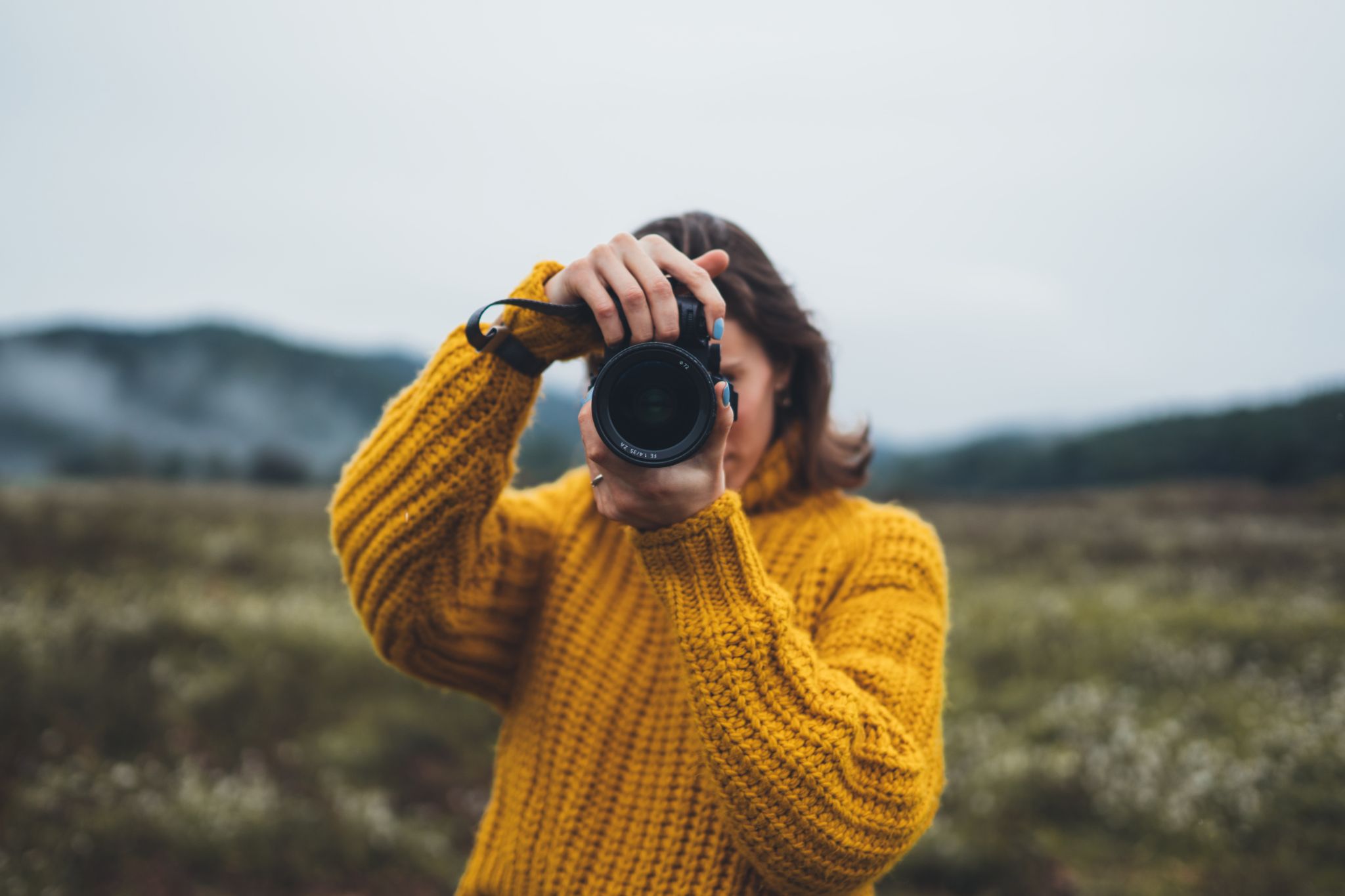
I am not here to say whether this is true or not. I want you to experiment and to come to your own conclusions. What I will say is this: do not expect film to make you a great photographer with amazing images. If you are a great photographer, your images will be great regardless of whether you shoot on film or digital.
It’s the same principle with camera gear. If you give me a used old camera with a decent yet inexpensive lens, I’ll still take great photos with minimal difference compared to the primary $10,000 setup that I use for work. The same principle applies to film vs digital. Don’t rely on tools too much, they are just tools, your strength is your skill and your vision. There are many roads to Rome but the destination is the same.
Film or digital, your vision is the real work. Showcase it with a portfolio built for professionals. Start your free trial on Format.
Colaborador
-

Alexander Karlov é um fotógrafo internacional de moda e retratos que trabalha entre o Canadá e a Europa. No seu trabalho, ele tenta juntar a arte e o comércio, criando fotos incríveis que contam uma história e representam seus clientes de um jeito significativo, enquanto incentiva a autenticidade e a vulnerabilidade dos seus modelos. Seu estilo é marcado por um visual minimalista e vintage, tipo filme, com alto contraste e uma forte preferência por iluminação natural.
Ele se inspira em filmes clássicos, revistas de moda icônicas e no trabalho de fotógrafos lendários como: Richard Avedon, Steven Meisel, Peter Lindberg, Mario Sorrenti e Paolo Roversi, que tiveram uma grande influência no seu estilo característico.
Empoderar as pessoas, mostrar a beleza humana, contar histórias visuais e dar um toque de grandiosidade.– esses são os objetivos da sua jornada artística.